
Mining operations present some of the most challenging pumping conditions in any industrial sector. From abrasive slurries deep underground to corrosive water in open-pit mines, the demands placed on pumping equipment are extreme. Mining submersible pumps have emerged as critical solutions for these harsh environments, offering reliability, efficiency, and durability where conventional pumps often fail.
Mining submersible pumps are specialized equipment designed to operate while fully submerged in the fluid they're pumping. Unlike surface-mounted pumps that push fluids, submersible pumps work by pushing rather than pulling, which provides several advantages in mining applications. These pumps feature sealed motor compartments that protect electrical components from water ingress, making them ideal for the wet, dirty conditions typical of mining sites.

The construction of these pumps differs significantly from standard submersible pumps used in other industries. Mining-grade submersible pumps incorporate hardened materials, reinforced impellers, and advanced sealing systems to withstand the punishing conditions found in mineral extraction operations. Their robust design allows them to handle not just water, but also sand, gravel, mud, and other solids that would quickly destroy less durable equipment.
Underground mining operations constantly battle water ingress from natural aquifers, surface runoff, and condensation. Submersible pumps serve as the primary defense against flooding, maintaining safe working conditions hundreds or even thousands of feet below the surface. These pumps must operate continuously, often for months without maintenance, pumping water to the surface or to drainage systems.
The ability to place submersible pumps directly at the lowest points of mine shafts provides a significant advantage. Traditional surface pumps struggle with the suction lift required to draw water from extreme depths, whereas submersible pumps eliminate this limitation entirely. This positioning also reduces energy consumption and improves overall system efficiency.
Open-pit mining operations face unique dewatering challenges. Rainwater accumulation, groundwater seepage, and process water all collect at the bottom of excavations. Mining submersible pumps handle these high-volume dewatering needs, preventing work stoppages and equipment damage. The pumps must contend with varying water levels, debris-laden water, and seasonal fluctuations in pumping demands.
Large open-pit operations often deploy multiple submersible pumps in staged configurations, moving water progressively from the pit bottom to discharge points. This approach allows for flexible system design that can adapt to changing pit depths and water flow rates as mining progresses.

Processing mined materials generates enormous quantities of slurry and tailings that must be transported to settling ponds or processing facilities. Submersible slurry pumps handle these abrasive, high-solids-content fluids with remarkable efficiency. These specialized pumps feature wear-resistant components and aggressive impeller designs that maintain performance even when pumping materials with up to 70% solids content by weight.
The direct submersion of these pumps in slurry pits eliminates priming issues and reduces the risk of cavitation, both common problems with surface-mounted slurry pumps. This reliability is crucial in continuous mining operations where unplanned downtime can cost hundreds of thousands of dollars per hour.
Mining submersible pumps face constant assault from abrasive materials. Manufacturers address this challenge through careful material selection and innovative design. High-chrome iron, hardened stainless steel, and specialized alloys form the pump's wetted components. Some advanced models incorporate ceramic or tungsten carbide in critical wear areas, extending service life by factors of three to five compared to standard materials.
Impeller design plays a crucial role in managing abrasion. Modern mining pumps often feature semi-open or recessed impellers that minimize contact between rotating components and abrasive particles. Replaceable wear plates and liners allow for economical maintenance, enabling operators to restore pump performance without replacing entire assemblies.
Mine water frequently contains dissolved minerals, acids, and other corrosive agents. Stainless steel construction provides baseline corrosion resistance, but many mining environments require additional protection. Duplex and super-duplex stainless steels offer enhanced resistance to chloride-induced corrosion, common in mines near coastal areas or those with high salt content in groundwater.
Protective coatings and cathodic protection systems extend pump life in particularly aggressive environments. Epoxy-based coatings seal minor surface imperfections while providing an additional barrier against chemical attack. Sacrificial anodes integrated into pump housings offer electrochemical protection, particularly important for pumps operating in acidic conditions.
Keeping water out of motor compartments represents one of the most critical challenges in submersible pump design. Mining pumps typically employ multiple mechanical seal stages, creating redundant barriers against fluid ingress. Double mechanical seals with oil chambers provide additional protection, with oil serving as both a lubricant and a buffer against contaminants.
Temperature sensors and moisture detectors integrated into seal chambers provide early warning of seal degradation. This monitoring capability allows maintenance teams to schedule repairs proactively rather than responding to catastrophic failures. Some advanced systems include automatic seal flushing that uses clean water to prevent abrasive particles from reaching seal faces.
Mining submersible pumps span an enormous range of capacities. Small dewatering pumps might handle 50 to 200 gallons per minute, suitable for localized flooding control in underground workings. Large drainage pumps for open-pit operations can move 5,000 gallons per minute or more, with head pressures exceeding 500 feet.
Matching pump performance to application requirements is critical for efficiency and longevity. Oversized pumps operating far from their design point experience reduced efficiency and increased wear. Conversely, undersized pumps running continuously at maximum capacity face shortened service life and higher failure rates. Careful hydraulic analysis ensures optimal pump selection for each specific application.
The ability to pass solids distinguishes mining submersible pumps from their municipal or industrial counterparts. Most mining pumps can handle spherical solids at least 2 to 4 inches in diameter without clogging. Specialized trash pumps accommodate even larger debris, with some models passing solids up to 6 inches.
Impeller design significantly influences solids handling. Open impellers with large vane spacing excel at passing debris but sacrifice some hydraulic efficiency. Semi-open designs strike a balance between solids passage and performance. Chopper pumps integrate cutting mechanisms that macerate solids before they reach the impeller, enabling smaller, more efficient pump designs for applications with fibrous or stringy materials.

Operating costs for mining pumps can exceed purchase prices many times over during their service life. Energy-efficient motors and optimized hydraulic designs reduce electrical consumption, yielding substantial savings in large installations. Premium efficiency motors meeting international standards should be specified whenever possible.
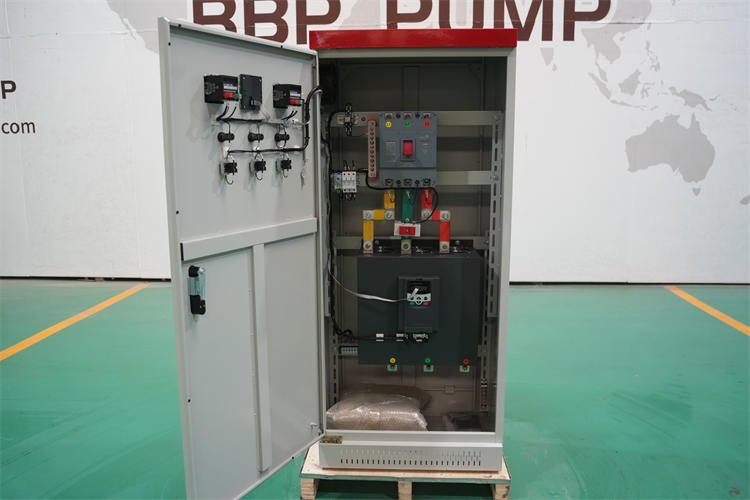
Variable frequency drives (VFDs) offer additional efficiency gains by allowing pump speed adjustment to match actual flow requirements. Rather than using throttle valves that waste energy, VFDs reduce motor speed during periods of lower demand. This approach also provides soft-start capability that reduces mechanical stress and extends equipment life.
Successful mining pump installations begin with thorough site assessment. Water quality analysis identifies potential corrosion or scaling issues. Solids content and particle size distribution inform wear life predictions. Static and dynamic head calculations, including friction losses in discharge piping, establish required pump performance.
Environmental factors also influence pump selection. Ambient temperature affects motor cooling and electrical component ratings. Altitude impacts motor performance, with derating required above 3,300 feet. Hazardous area classifications may necessitate explosion-proof motor designs in coal mines or facilities handling volatile substances.
Even the most robust pumps fail prematurely if installed incorrectly. Discharge pipes must be sized appropriately to maintain velocities between 5 and 8 feet per second for slurries, minimizing both erosion and settling. Flexible couplings accommodate thermal expansion and minor misalignment without transmitting stress to pump flanges.
Guide rail systems ensure proper pump positioning and facilitate removal for maintenance. Automatic coupling systems allow pump installation and removal without entering confined spaces, significantly improving worker safety. Check valves in discharge lines prevent backflow when pumps stop, protecting against water hammer and reverse rotation damage.
Predictive maintenance strategies maximize pump uptime while minimizing maintenance costs. Vibration monitoring detects bearing wear, imbalance, and mechanical damage before catastrophic failure occurs. Temperature sensors track motor winding heat and bearing temperatures. Flow and pressure instrumentation reveals performance degradation, indicating wear or clogging.
Regular inspection schedules should include visual examination of accessible components, seal oil level checks, and electrical insulation testing. Most manufacturers recommend annual or semi-annual teardown inspections for critical pumps, with more frequent attention for pumps handling highly abrasive materials. Maintaining detailed service records enables trend analysis that predicts component life and optimizes spare parts inventory.
Internet of Things (IoT) technology is transforming mining pump management. Connected sensors continuously stream performance data to cloud-based analytics platforms. Machine learning algorithms identify patterns indicating impending failures, often weeks before problems become critical. Remote monitoring capabilities allow specialist technicians to diagnose issues without traveling to remote mine sites.
Digital twin technology creates virtual models of pump installations, simulating performance under various operating conditions. These models optimize pump selection, predict maintenance requirements, and support troubleshooting efforts. Integration with mine-wide automation systems enables coordinated control of multiple pumps, maximizing system efficiency.
Research into new materials promises even more durable mining pumps. Ceramic matrix composites combine light weight with exceptional abrasion resistance. Advanced polymer blends offer corrosion resistance superior to metals while maintaining adequate strength for moderate-pressure applications. Additive manufacturing enables complex internal geometries that improve hydraulic performance and reduce weight.
Coatings technology continues advancing, with nano-structured surfaces demonstrating remarkable resistance to both abrasion and adhesion. These surfaces reduce the buildup of scale and sticky materials while maintaining low friction losses. Some experimental coatings exhibit self-healing properties, automatically sealing minor surface damage.
Progressive mining operations are implementing energy recovery from pump discharge streams. Hydraulic turbines or reverse-running pumps capture energy from high-pressure discharge water, converting it back to electricity. In some configurations, these systems recover 30 to 40% of pumping energy, significantly reducing net power consumption.
Regenerative VFDs feed recovered energy back to electrical distribution systems, reducing mine-wide power demand. This approach is particularly effective in deep underground mines where pumped water travels hundreds of vertical feet, representing substantial potential energy. The environmental and cost benefits of energy recovery make these systems increasingly attractive despite higher initial investment.
Mining submersible pumps represent specialized engineering solutions for one of industry's most demanding environments. Their ability to operate reliably in abrasive, corrosive conditions while handling high solids content makes them indispensable in modern mining operations. From keeping underground workings dry to managing tailings and process water, these pumps ensure mining operations continue safely and efficiently.
Selecting appropriate equipment requires understanding site-specific conditions, careful performance matching, and attention to design features that ensure longevity. Proper installation and proactive maintenance maximize return on investment while minimizing unplanned downtime. As technology advances, smart monitoring systems, new materials, and energy recovery capabilities continue improving pump performance and sustainability.
For mining operations facing challenging dewatering and fluid handling requirements, investing in purpose-built submersible pumps designed for mining service pays dividends through reduced maintenance costs, improved reliability, and extended service life. The harsh realities of mining demand nothing less than equipment engineered specifically for these tough applications.
Need help selecting the right mining submersible pumps for your application?
Contact us at anpump5@angroupcn.com or WhatsApp +86 15032857866;
Our technical sales engineers have the extensive product knowledge and will be able to help you.
